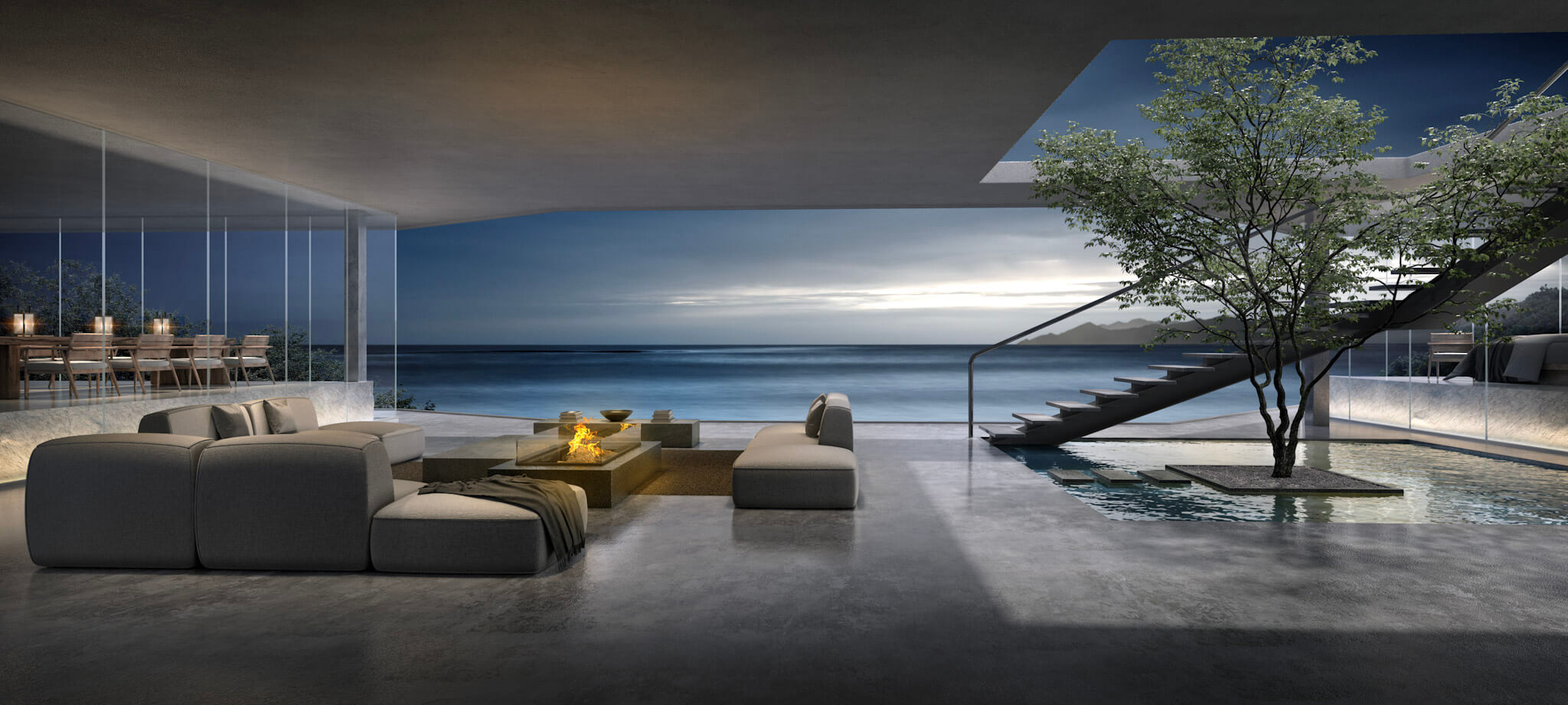
WEAZER Nishiizu Villa
The Beginning
WEAZER began when our founder, Takano, traveled to Kampala, Uganda.
Even in luxury hotels, power outages were frequent and brown water flowed from taps.
Infrastructure we take for granted in Japan revealed its fragility.
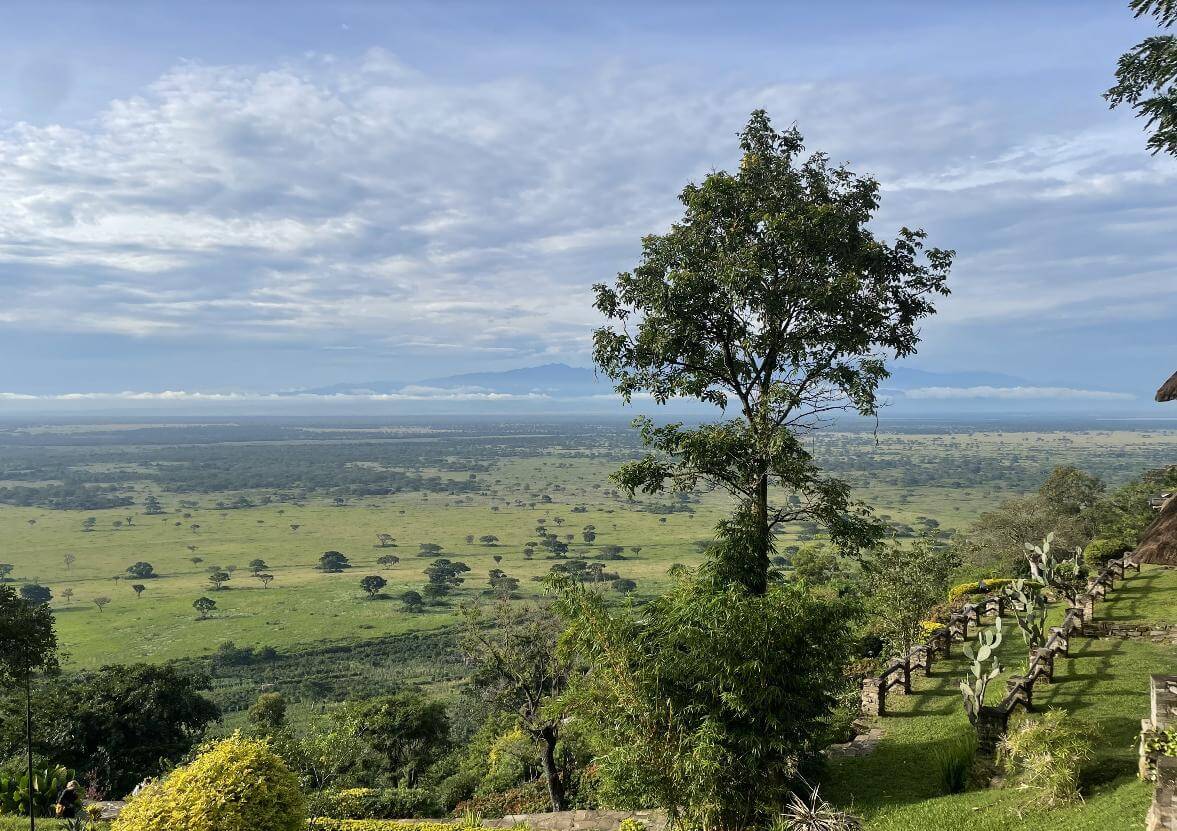
Yet even such beauty coexists with infrastructural vulnerability.
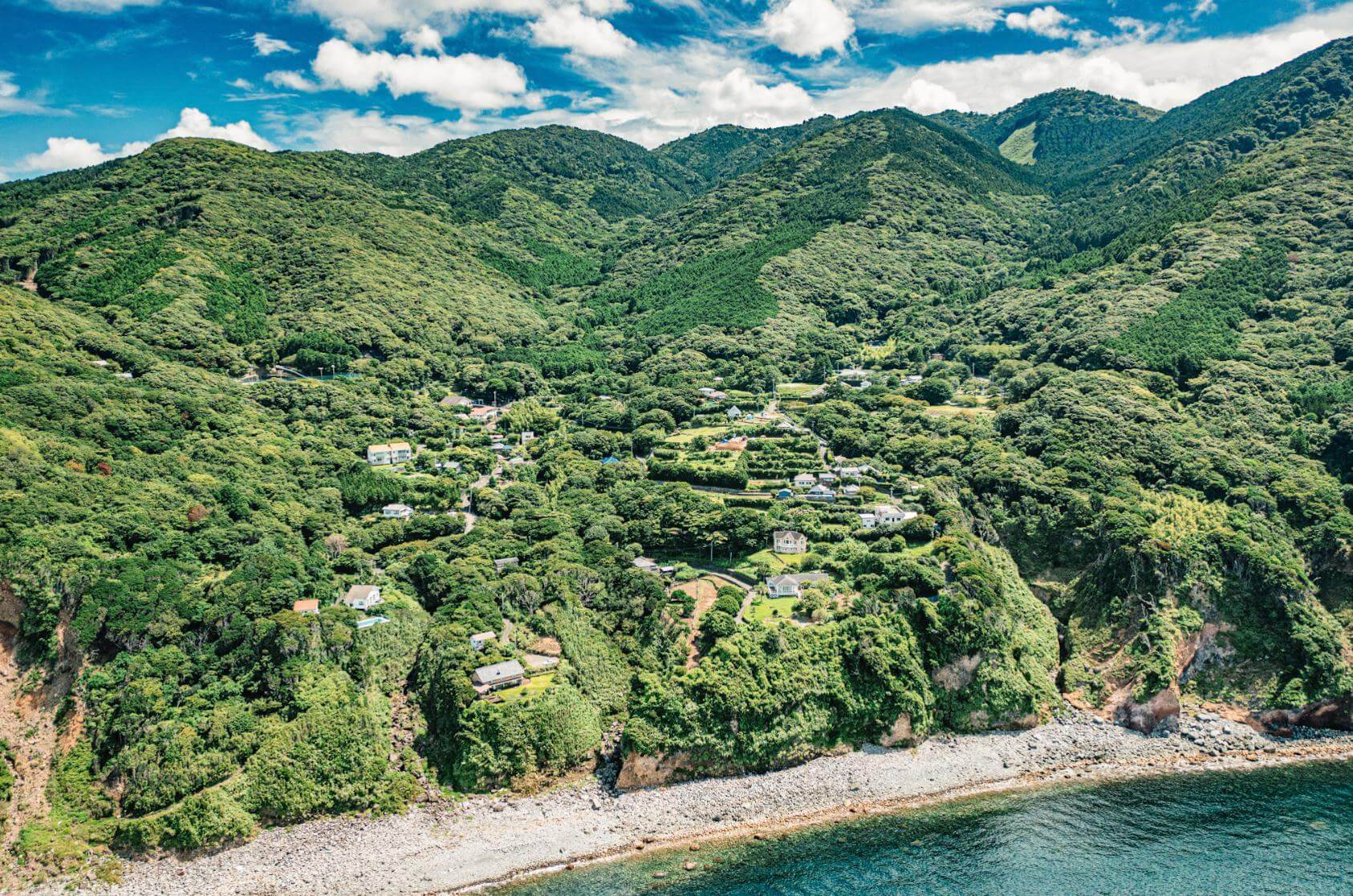
Back in Japan, rural communities face similar challenges.
Water, electricity, and gas infrastructure is steadily deteriorating. Pipelines age. Propane delivery declines. The workforce shrinks and ages.
The more breathtaking the scenery, the less reliable the infrastructure.
We asked ourselves — What if one could stay in those untouched landscapes? Remote capes. Uninhabited islands. Pristine wilderness.
From that question emerged an idea:
architecture that sustains itself completely, requiring no power lines, no water pipes, no gas — living independently, in harmony with the Earth.
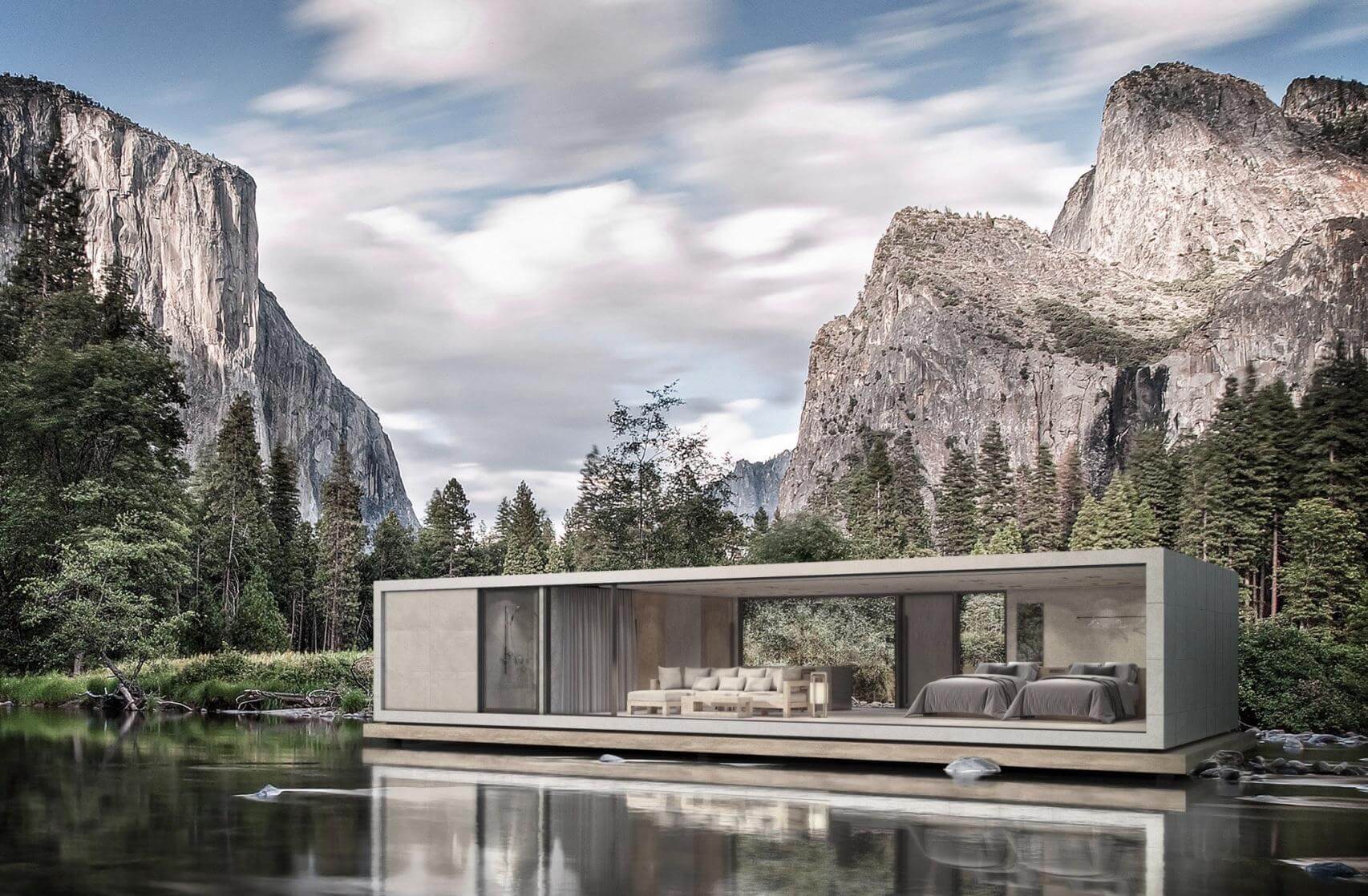
Developing the World’s First Fully Off-Grid Accommodation
Years of research and development were required.
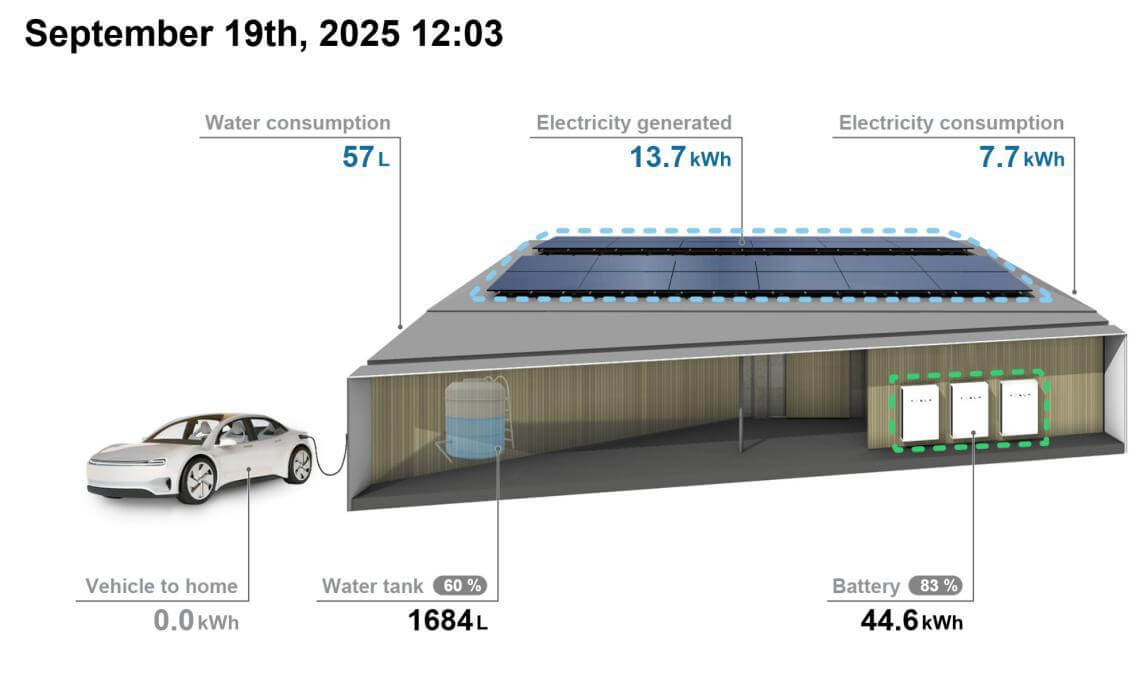
First, we needed to calculate precisely how much electricity and water a building requires for self-sufficiency.
We analyzed decades of meteorological data,
developing systems to determine optimal specifications:
solar panel area, roof catchment capacity, battery storage.
We created a dedicated Off-Grid HEMS (Home Energy Management System) that visualizes and monitors resources in real time. (See Technology section for details.)
We partnered with leading manufacturers and engineers specializing in autonomous energy and water generation, integrating their hardware with our software into a unified product.
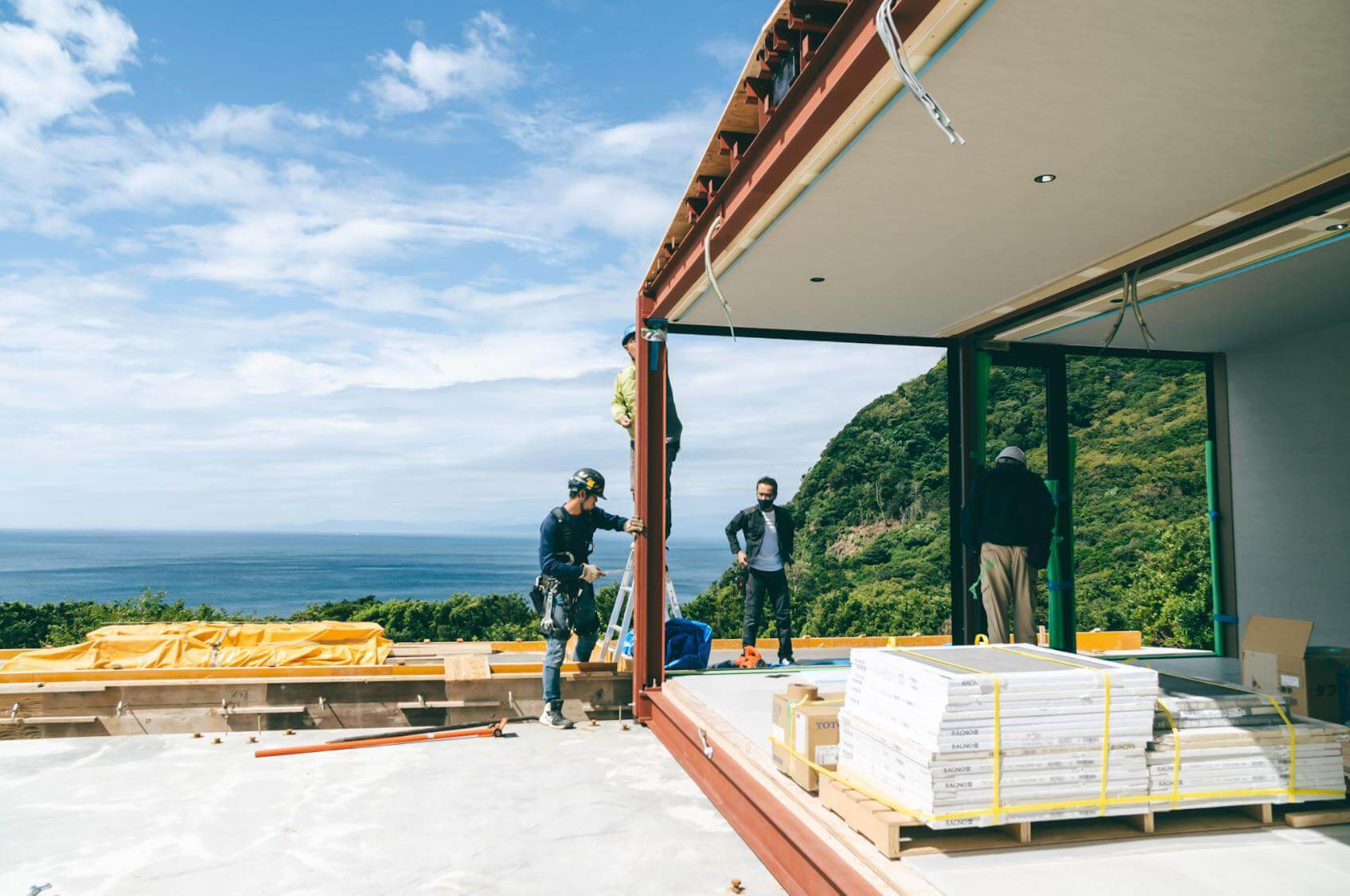
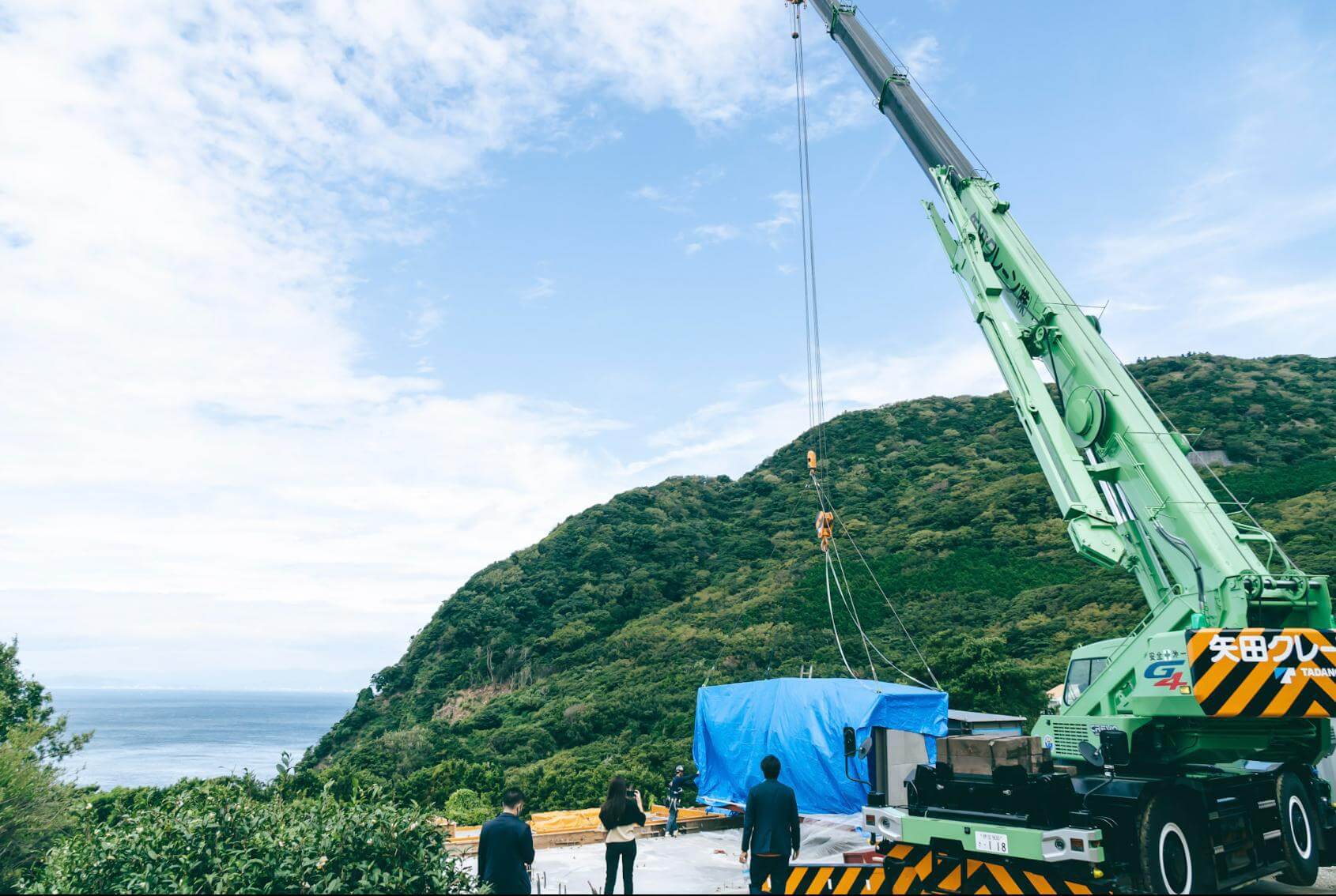
For the architecture, we chose prefabricated modular design—
factory-built and transported to site.
Installation takes days, not months, minimizing environmental impact.
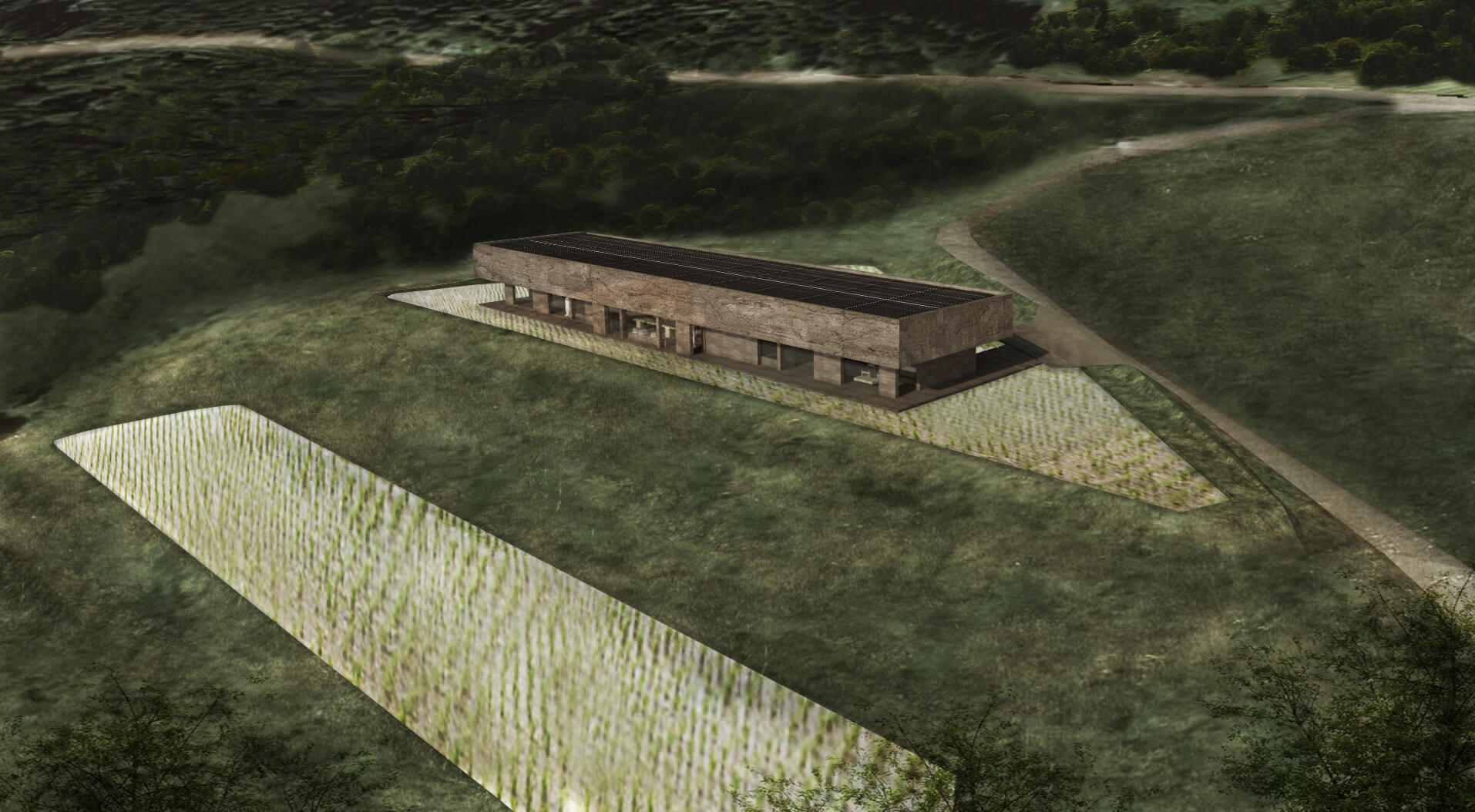
Essential for remote islands and regions where large-scale development isn’t feasible.
Design Beyond Prefabrication
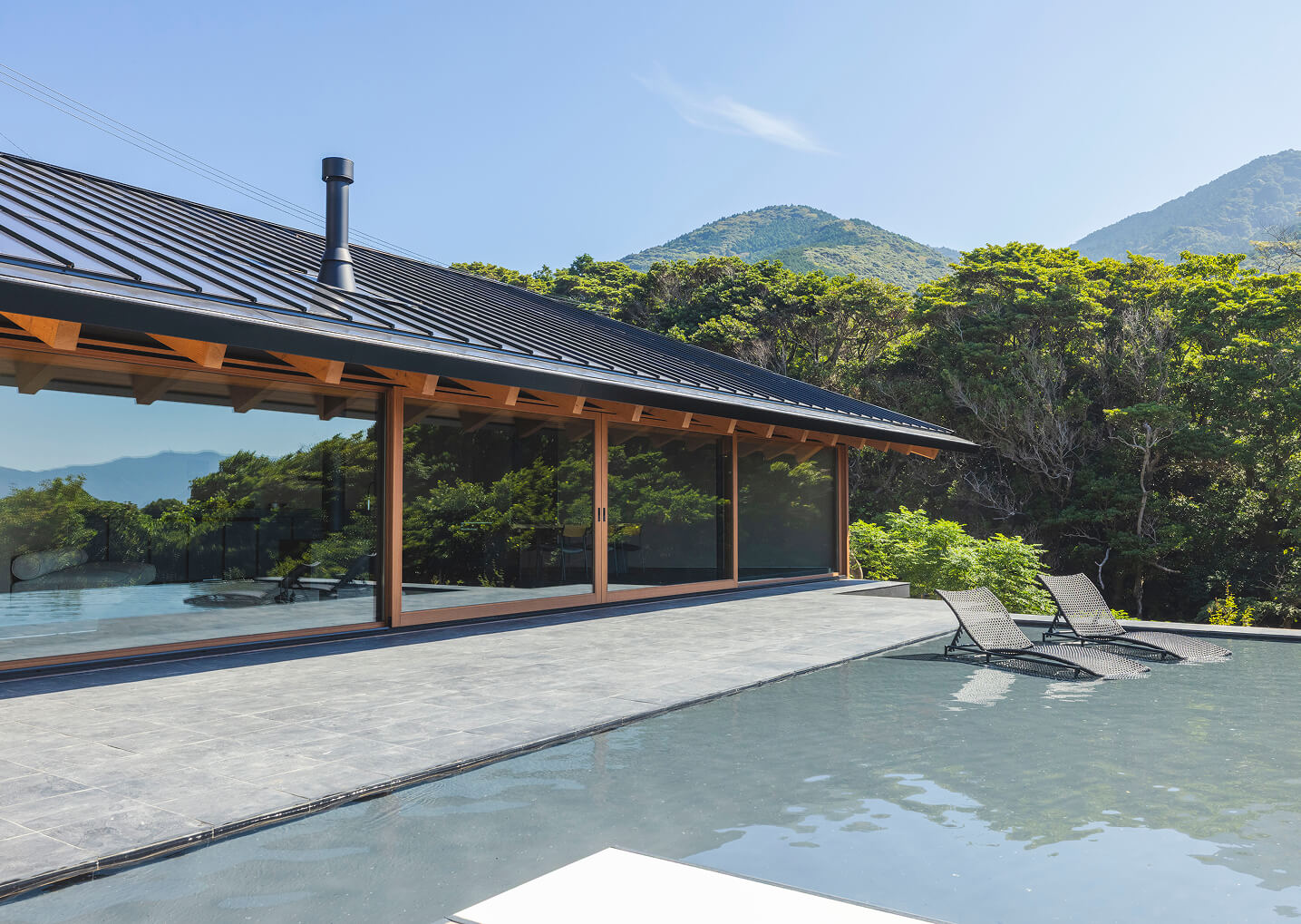
Though modular in construction, WEAZER transcends typical prefab aesthetics — designed to feel architectural, luxurious, intentional.
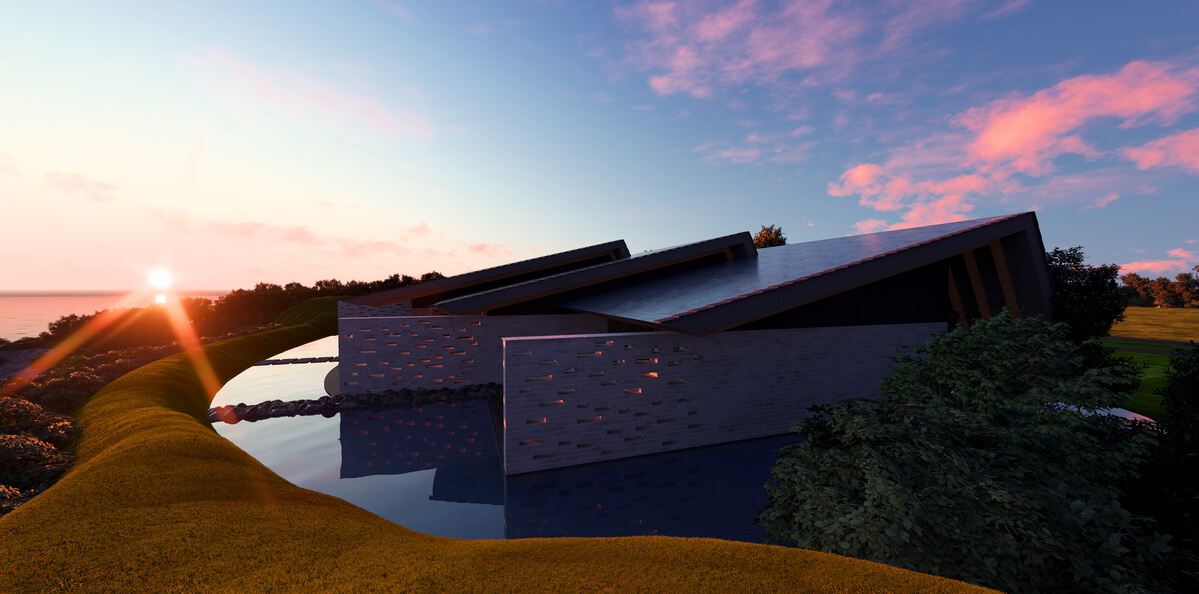
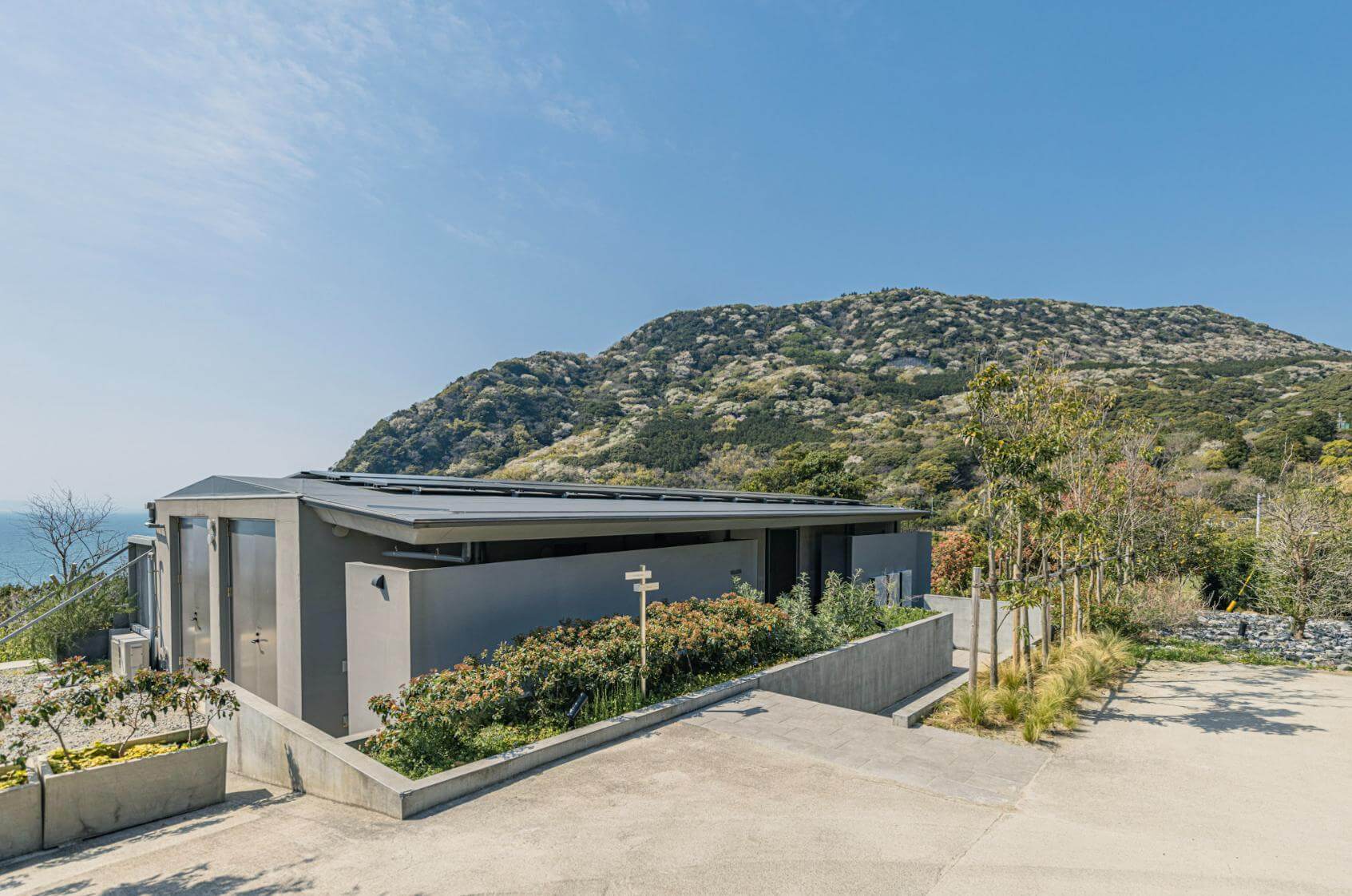
A retaining wall and expansive roof create a grounded presence in the landscape.
The Tesla Powerwall is placed deliberately near the entrance, making off-grid identity visible and integral to the design.

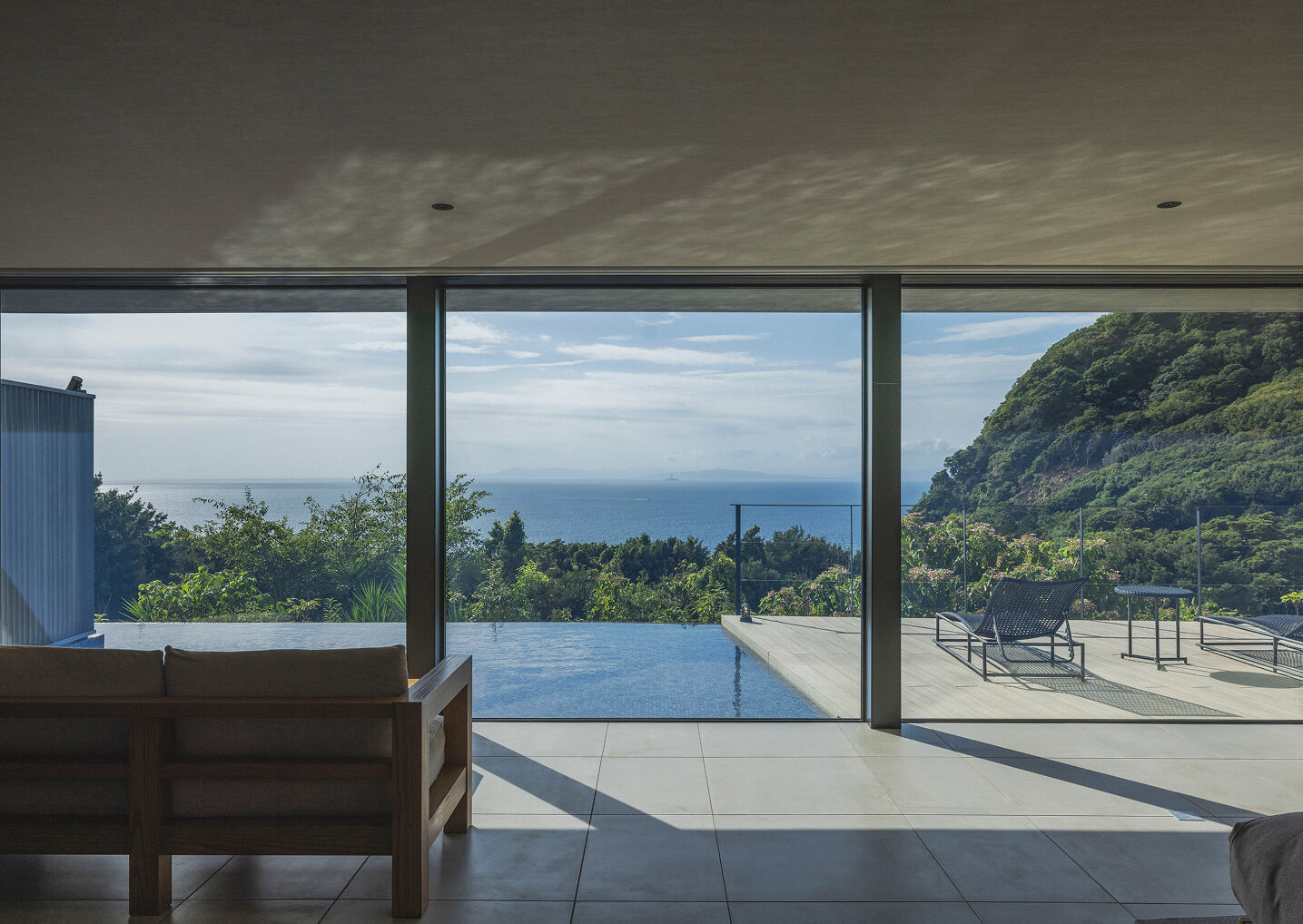
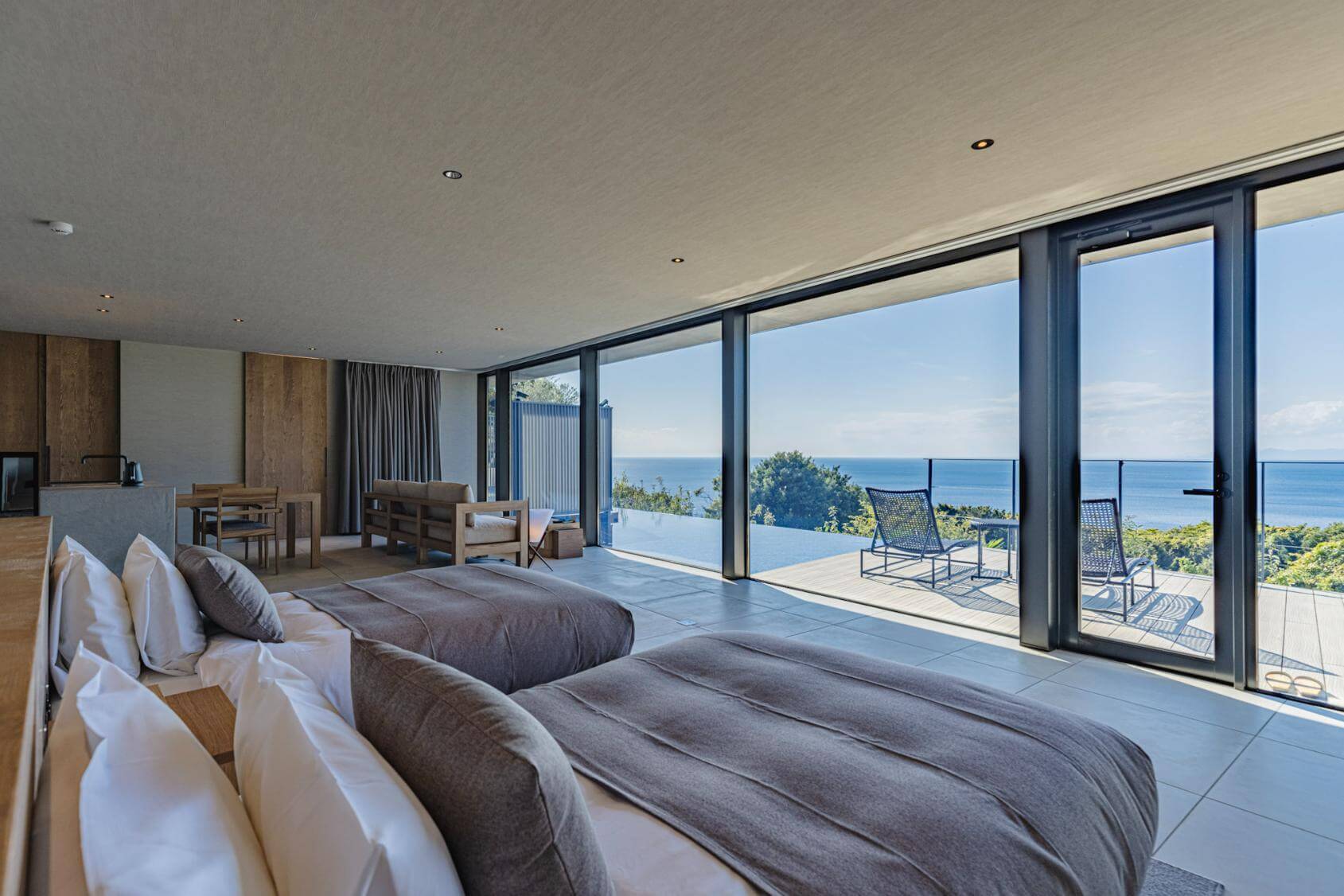
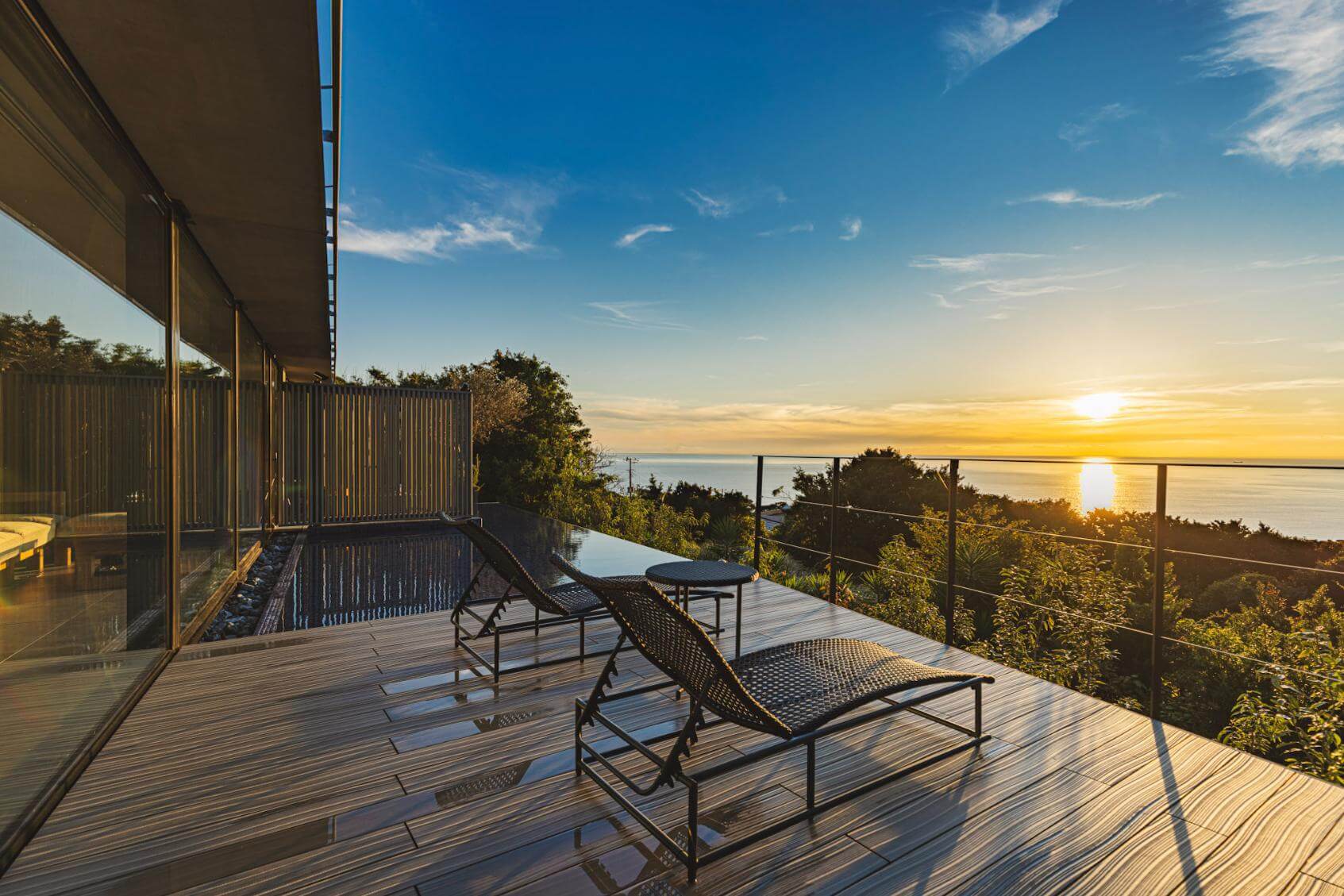
Inside, every angle frames the ocean view.
A calm grey palette and large-format tiles establish a modern, quietly luxurious atmosphere.
Furniture crafted from ash wood by Azim — a Nagasaki shipbuilding furniture maker — completes the interior.
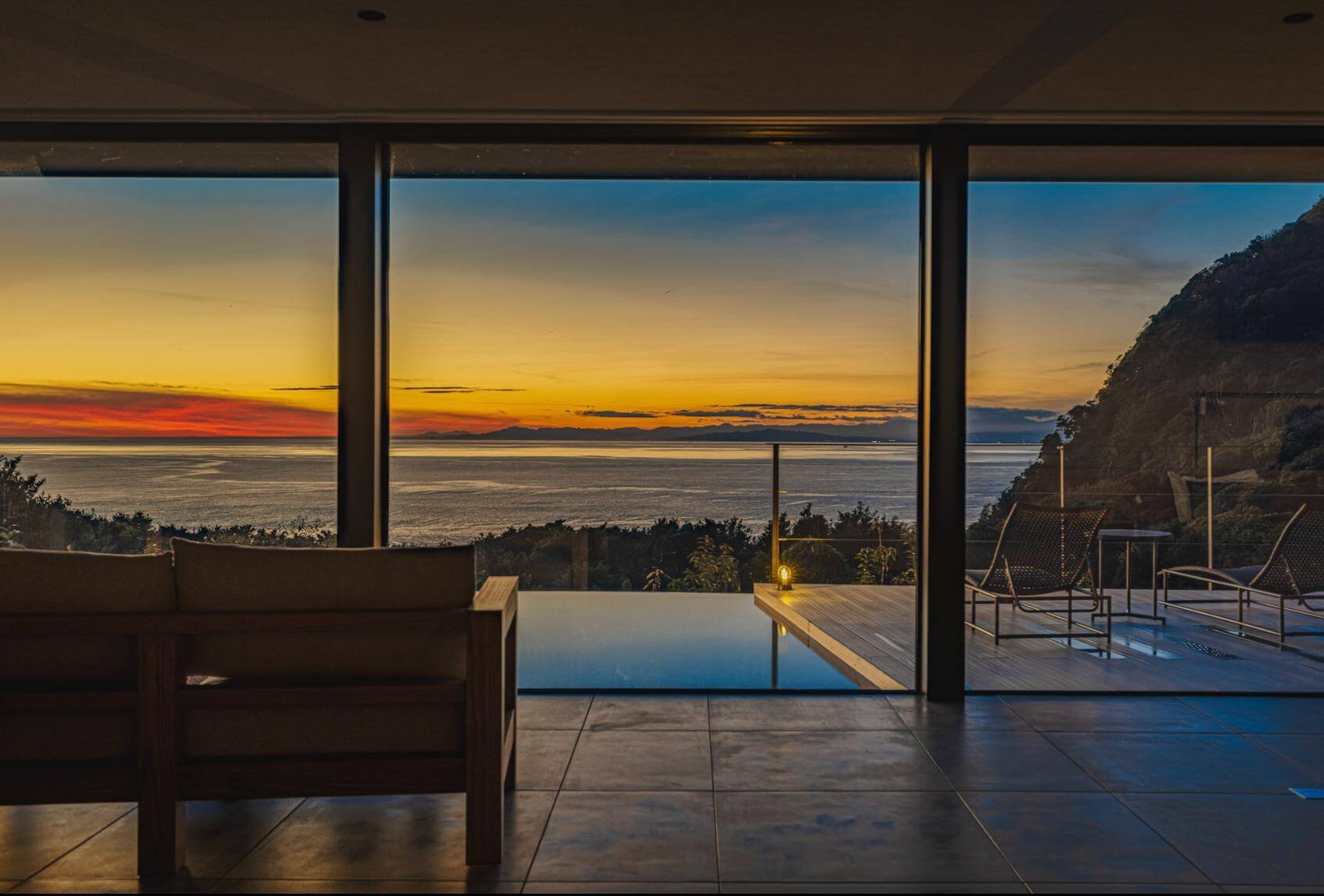
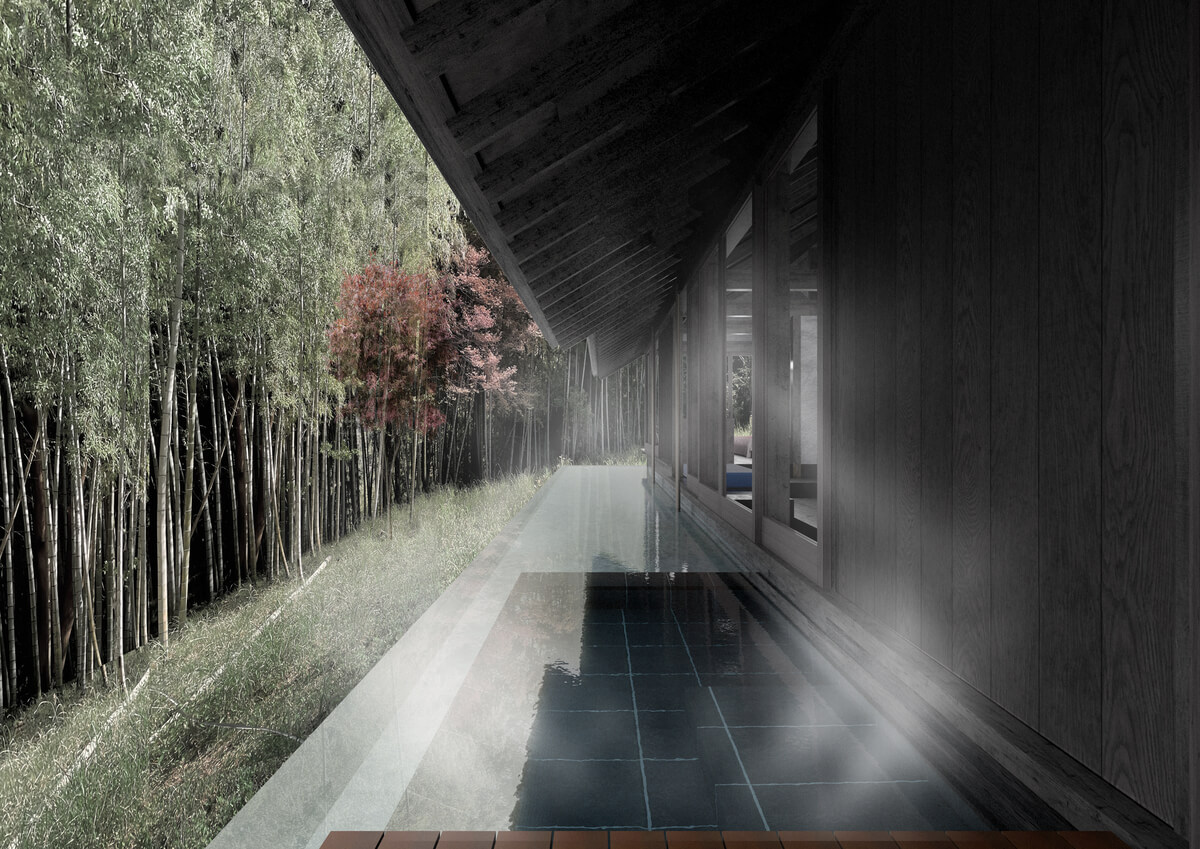
Guests experience the profound stillness of dwelling within nature itself.
After Opening
Completed after years of development, the world’s first fully off-grid modular architecture opened in January 2023 as WEAZER Nishi-Izu.
The project gained immediate media attention worldwide,
celebrated for pioneering off-grid technology, environmental consciousness, and harmony with landscape.
That same year, it received a Good Design Special Award — recognizing the innovation, architectural refinement, and potential as disaster refuge.
Despite its remote location, annual occupancy reached 93% in the first year.
High capacity continues today.
Each day, one group experiences profound hospitality —dining, service, stillness.
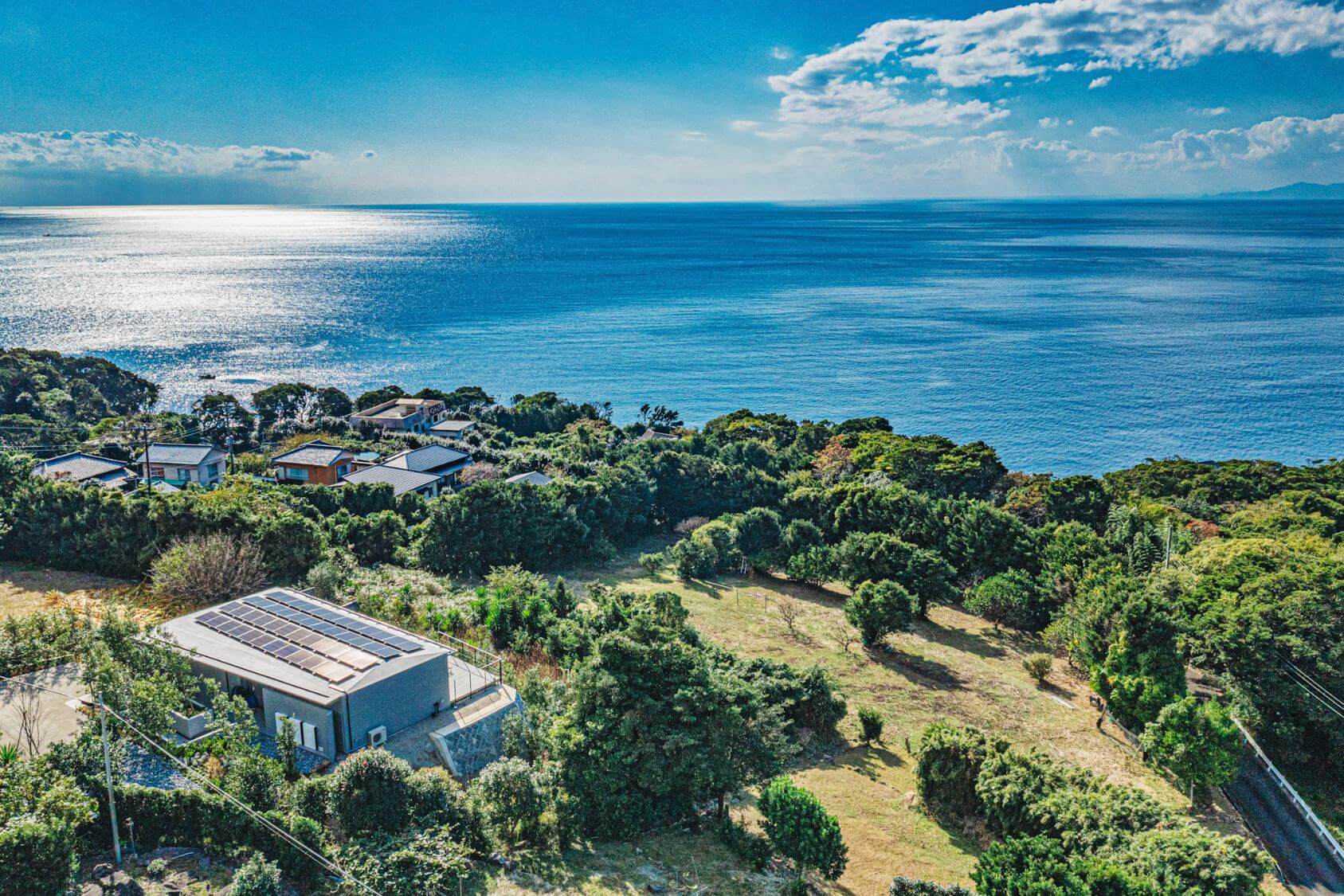
At dawn, Suruga Bay glows blue.
At sunset, the sky burns crimson.
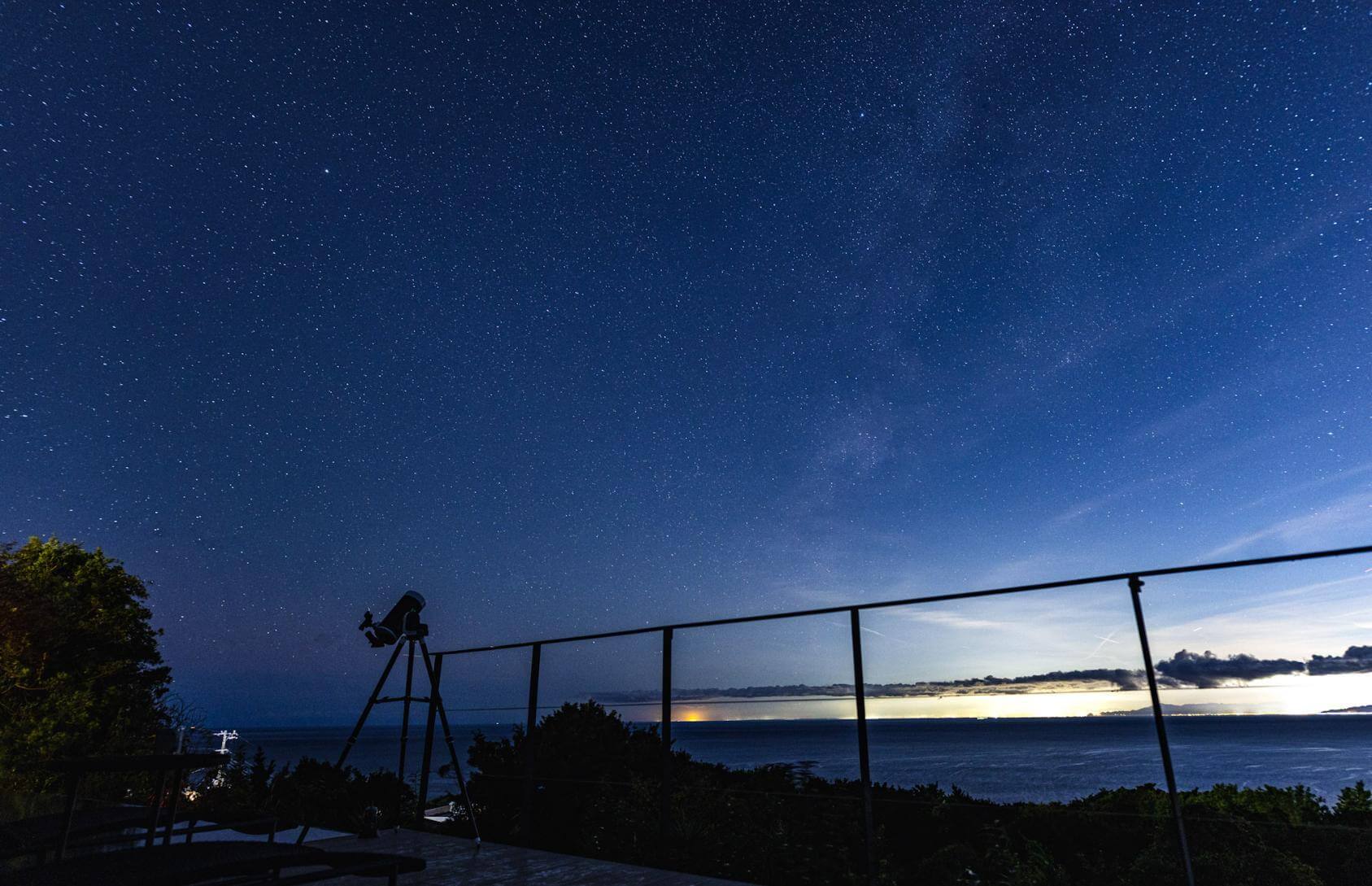
At night, stars fill the sky.
In this setting, guests discover what it means to live in harmony with nature — one group per day.

| Type | Type U |
|---|